-
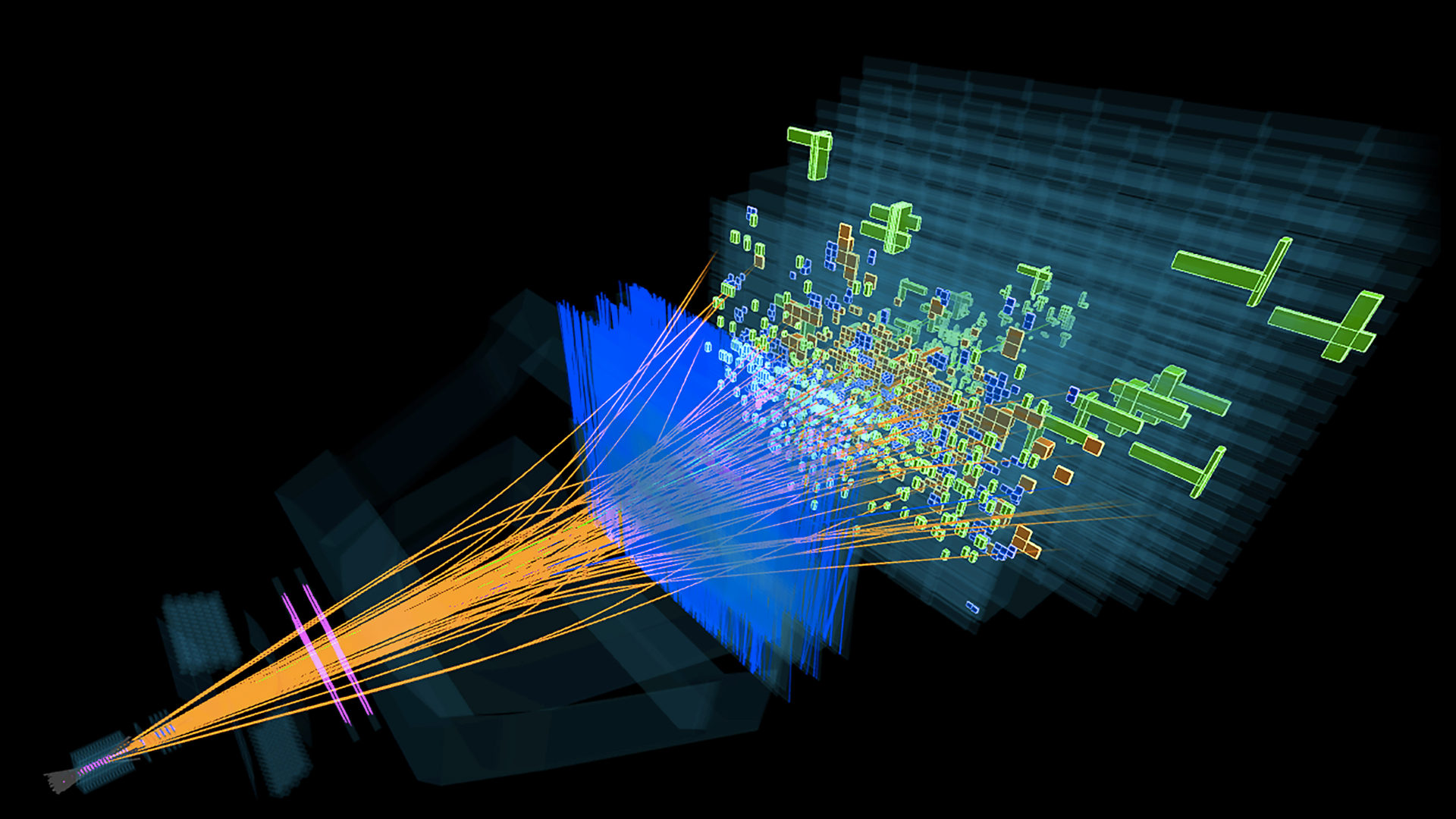
Cyber Physical modelling of Deep Pile Foundations
Project Overview This project aims to develop a cyber-physical model of deep pile foundations to enhance the construction process through real-time monitoring, simulation, and data-driven decision-making. By integrating computational fluid dynamics (CFD) with sensor-based data acquisition and concrete flow simulation using tools like OpenFOAM, the model will provide valuable insights into the behavior of tremie…
-

Advancing AI-Driven Techniques for Complex Problem Solving: A Focus on Distributed Constraint Satisfaction Problems
Project Overview This research explores the development and application of AI-driven intelligent systems to enhance problem-solving efficiency and effectiveness in complex problem domains.The study focuses on designing novel frameworks and algorithms that leverage multi-agent systems, and intelligent agents to address large-scale and computationally challenging problems. One key area of interest is Distributed Constraint Satisfaction Problems…
-

Enhancing Cardiomyocyte Dynamic Network Analysis with Machine Learning
Project Overview Cardiovascular disease (CVD) is the leading cause of morbidity and mortality worldwide,responsible for approximately 17.9 to 20.5 million deaths annually. Whilst the global burden of CVD keeps increasing, recent efforts to accelerate the development of innovative therapeutic strategies for managing CVD have persistently failed to deliver new drugs to the market. These challenges…
-
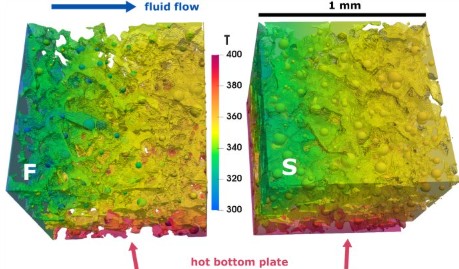
Image-based Digital Testing for Functional Construction Materials
Project Overview This project integrates physical modelling, data analysis, and microstructural characterisation into long-term product assessment tests. Traditional construction material assessments are costly and time-consuming, limiting industry innovation. By leveraging microstructural imaging, this research aims to simulate and eventually predict accurate material behaviour through structural analysis, enhancing the development of functional construction materials. Project Aims…
-

Smart digital representation and reconstruction in material science with AI and computer vision
Project Overview This project aims to integrate computer vision and artificial intelligence into materials science, utilizing deep learning and other AI methodologies to enable efficient and cost-effective digital characterization and reconstruction of heterogeneous materials. By advancing the application of emerging AI technologies, this research seeks to accelerate the development of materials informatics and enhance digital…
-

Blockchain technologies for pharmaceutical supply chains
Project Overview Pharmaceutical supply chains involve complex characteristics and intricate data flow processes, including multiple stakeholders. These complexities give rise to numerous challenges concerning data integration and flow. This research proposes to address these challenges by combining two emerging technologies to suggest unique solutions. Based on the findings of our recent survey, it has been…
-
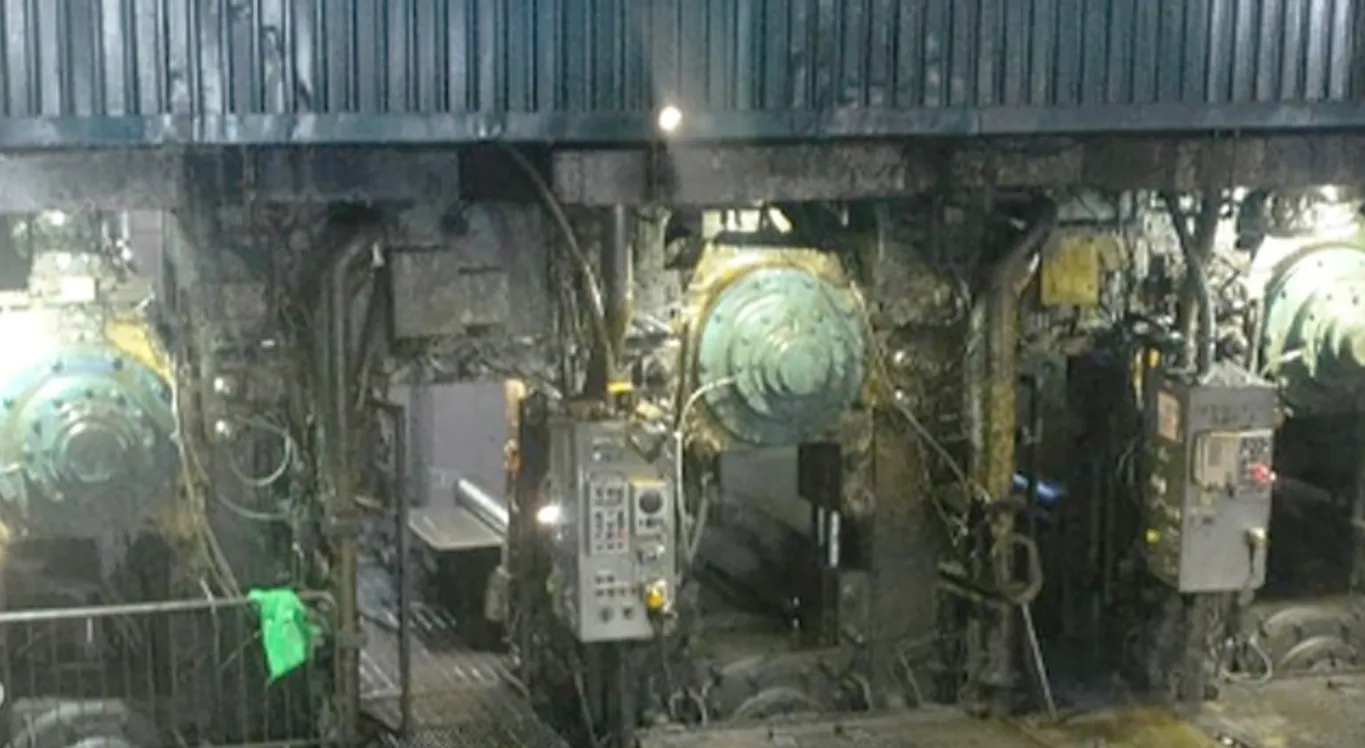
Predictive Analytics in Steelmaking
Project Overview Industry 4.0 represents a paradigm shift in manufacturing that leverages technologies such as Internet of Things (IoT), Artificial Intelligence (AI), big data and many others to create smart, automated and interconnected systems. Steelmaking is one example of a domain undergoing transformation. Steelmaking constitutes the many processes that are used to create the strong…
-
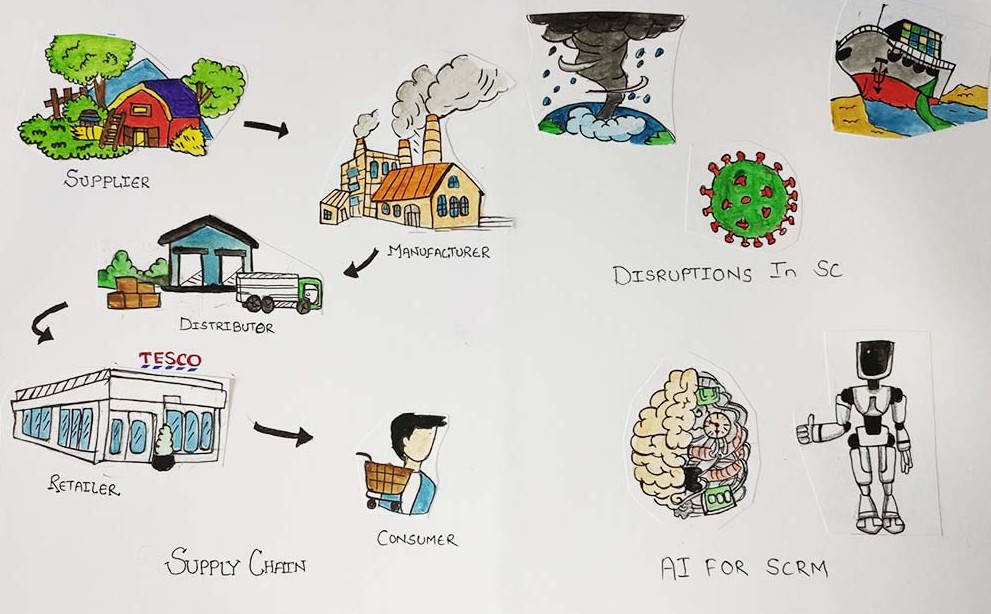
Hybrid AI for optimisation in industry
Project Overview Hybrid AI for supply chain optimization in Industry 4.0 Supply chains (SC) are increasingly challenged by uncertainty and risks in this high-tech era. In this context, to effectively identify and mitigate SC-related risks, data, information, and knowledge from different sources must be smartly exploited. This research project focuses on optimizing supply chains through…
-
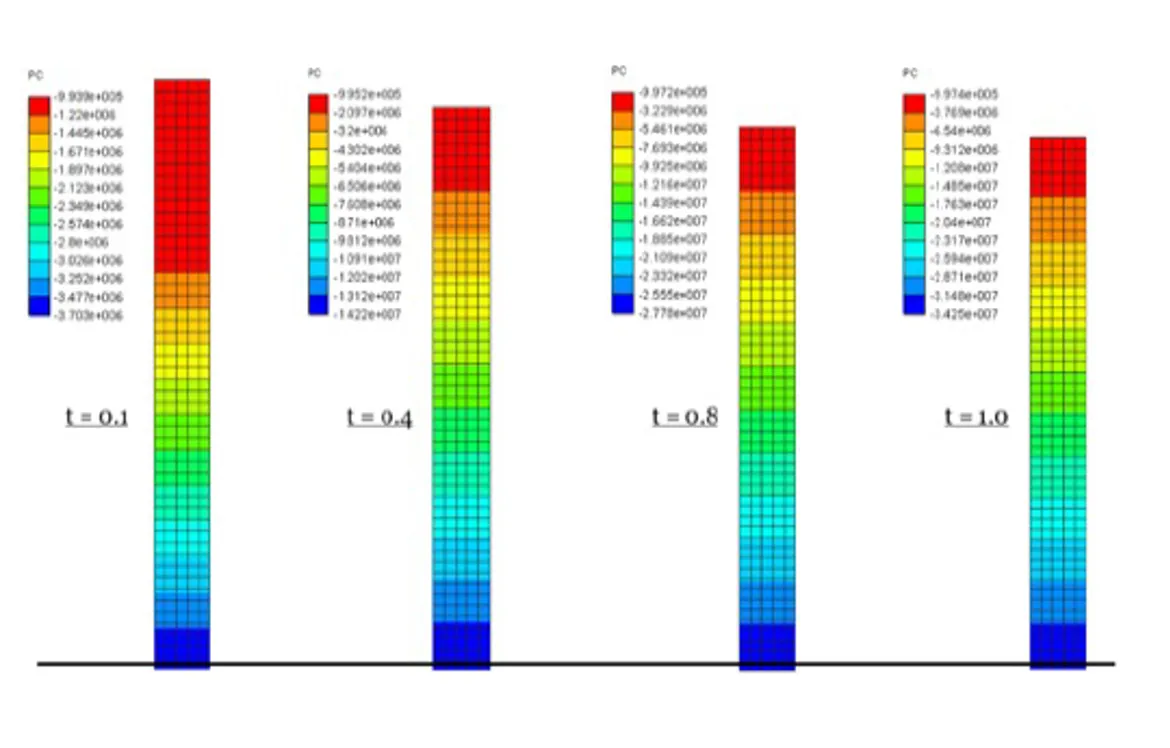
Explicit and Implicit Finite Element Techniques
Project Overview Explicit and Implicit Finite Element Techniques Applied to Mechanical and Coupled Geomechanical Problems October 2018-March 2022 In this work we determine the classes of problems within computational geomechanics where the staggered or fully implicit monolithic coupling schemes are most effective. These techniques can be applied in industries such as civil engineering and the energy-based sector, in particular the oil and gas industry.…
